WEEK_3:_BACKEND_INTEGRATION_AND_FEATURE_INNOVATION
Mr. Anton
Addressed data scarcity issues on the evaluation page by requesting database seeding from the mentor.
Navigated legacy system constraints requiring manual seed requests for local testing.
Engineered the backend for the grades module, aggregating data from both assignments and tasks.
Proposed a 'Canva-type' drag-and-drop interface for a new LMS certificate builder during the March 3rd meeting.
Developed an export utility allowing teachers to download real-time data in PDF, CSV, and XLSX formats.
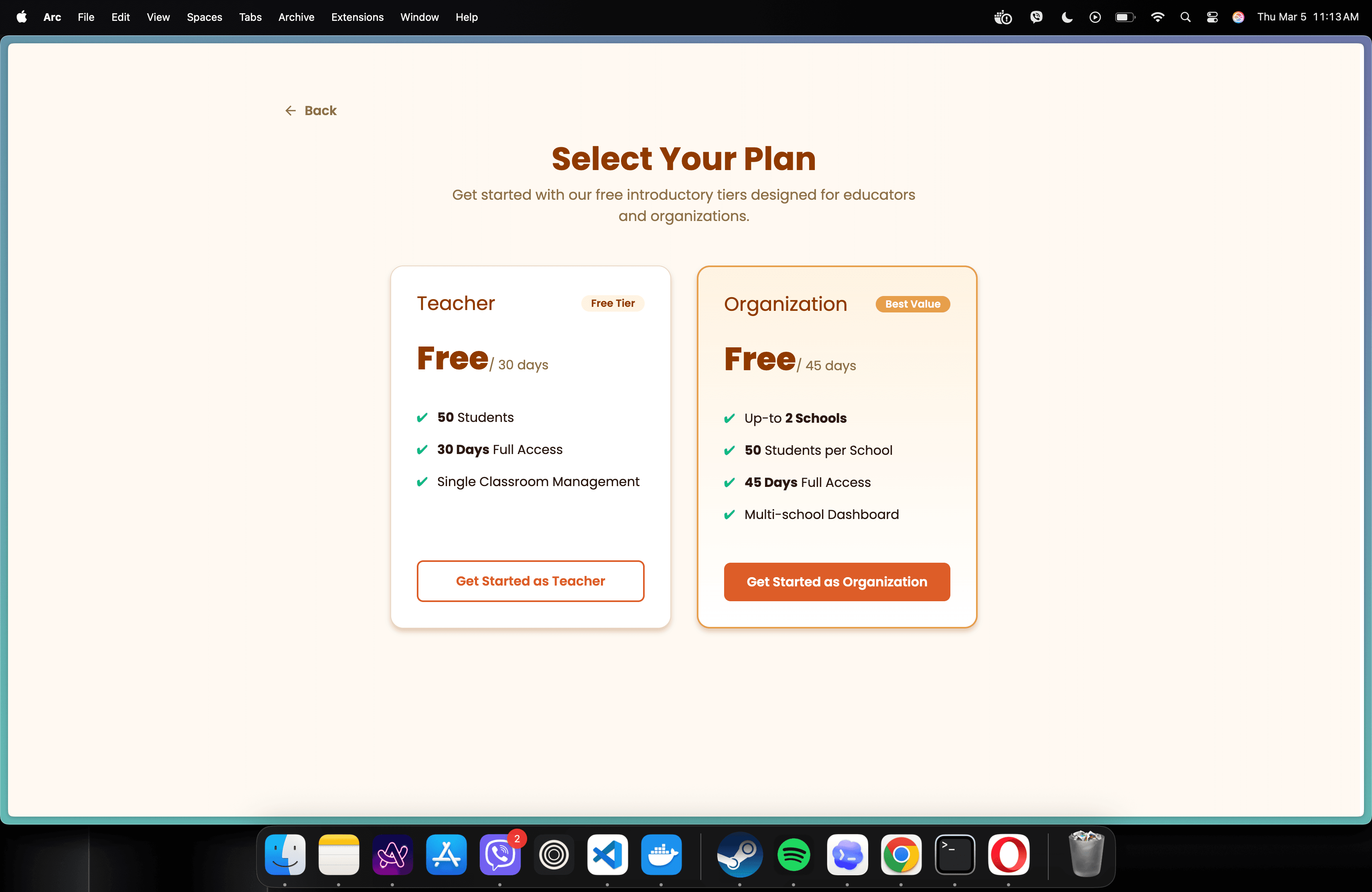
Successfully built the UI for the Plans page in the new codebase within a single day.
Started a comprehensive study of the QAsset codebase in preparation for next week's tasks.
Navigating Legacy Constraints and Data Aggregation
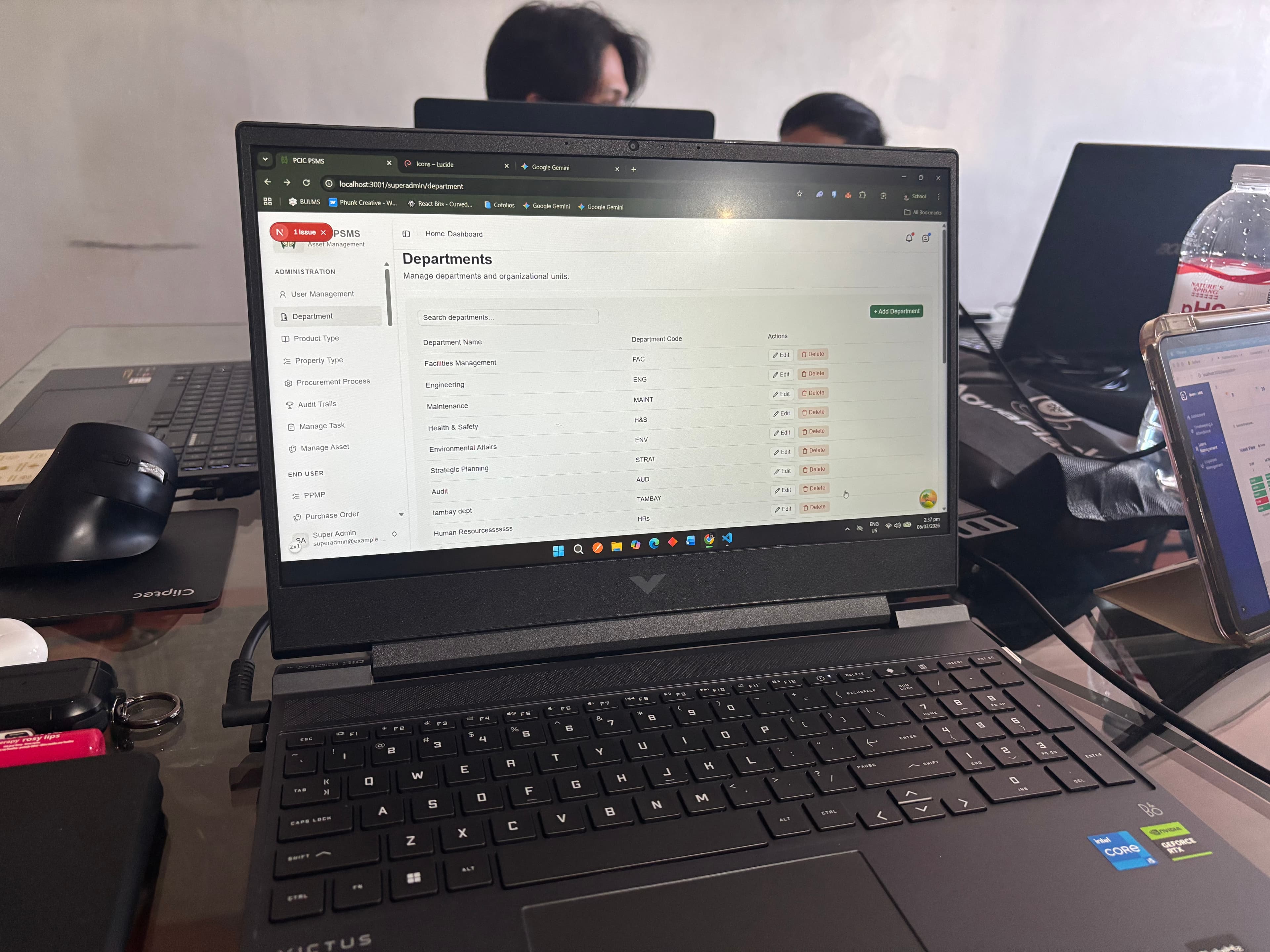
The week began with a challenge on the evaluation page; progress was stalled due to a lack of existing data in the database. Upon consulting my mentor, I learned that because we are working on a legacy system, database seeding must be requested specifically whenever needed. While waiting for the environment to be ready, I pivoted to the backend of the grades module. Since my colleagues had already finished their tasks, I took the lead on combining data streams, ensuring that grades for both assignments and tasks were correctly calculated and retrieved for the user interface.
Strategic Proposals and Codebase Transition
During our meeting on March 3, I took an active role in the product design discussion. When asked how to handle certificate generation, I suggested implementing a Canva-style interface on the teacher's side. This would allow users to upload background images and utilize a drag-and-drop system to position student names and signatures dynamically. Following this, I implemented a robust export feature, enabling teachers to pull real-world data into PDF, CSV, and XLSX formats. My efficiency on the Plans page UI—completing it in just one day—led to a new assignment: transitioning to the QAsset codebase.
The transition to QAsset marks a shift in my focus. My final task for the week was to perform a deep-dive study of this new codebase. Understanding its unique architecture and dependencies is critical, as my mentor has scheduled the first set of functional tasks for QAsset to begin next week. This requires balancing my existing knowledge of QLearn with the specific patterns found in this new repository.